By Emily Yannayon, NMFWRI Ecological Monitoring Specialist
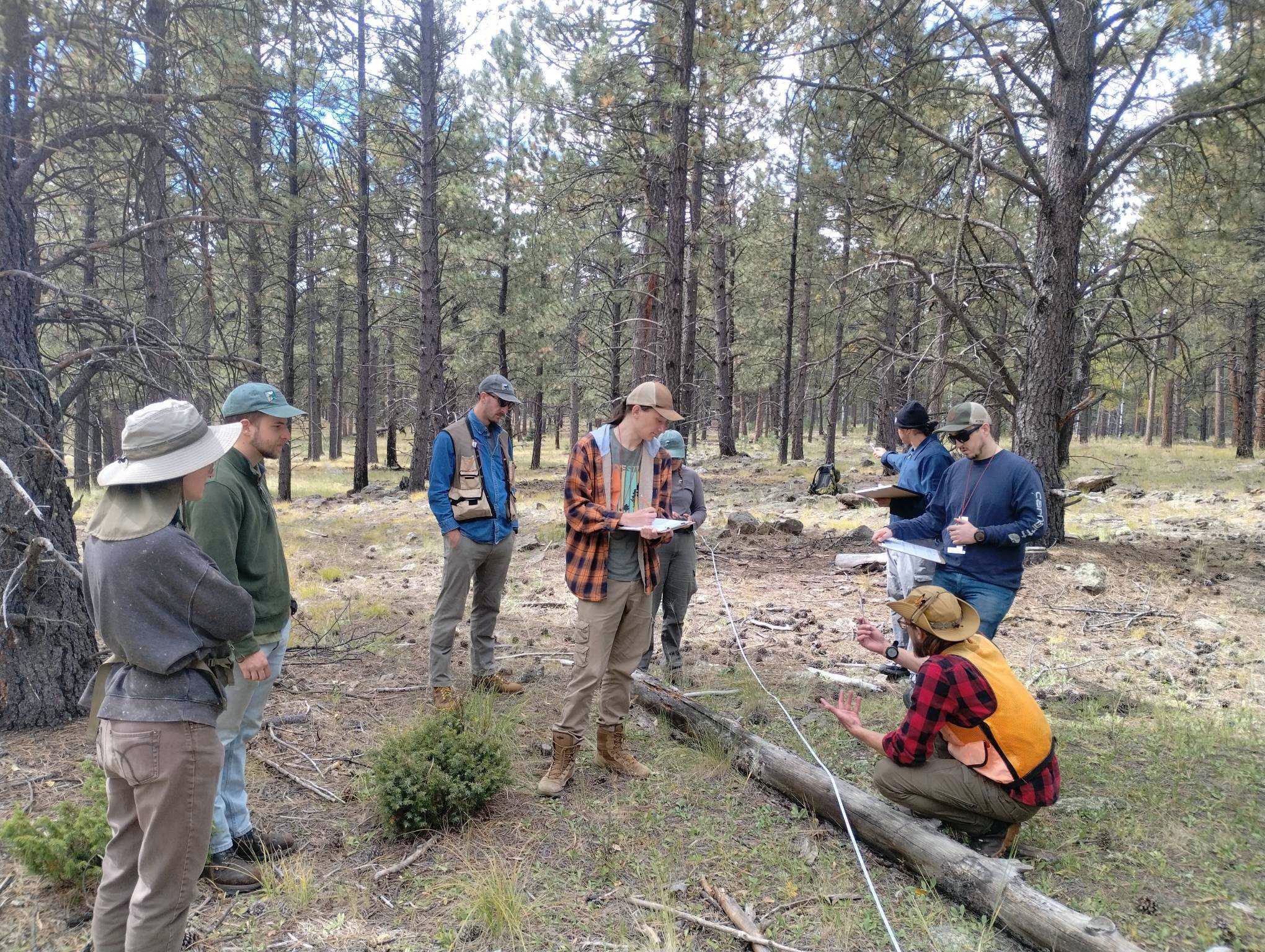
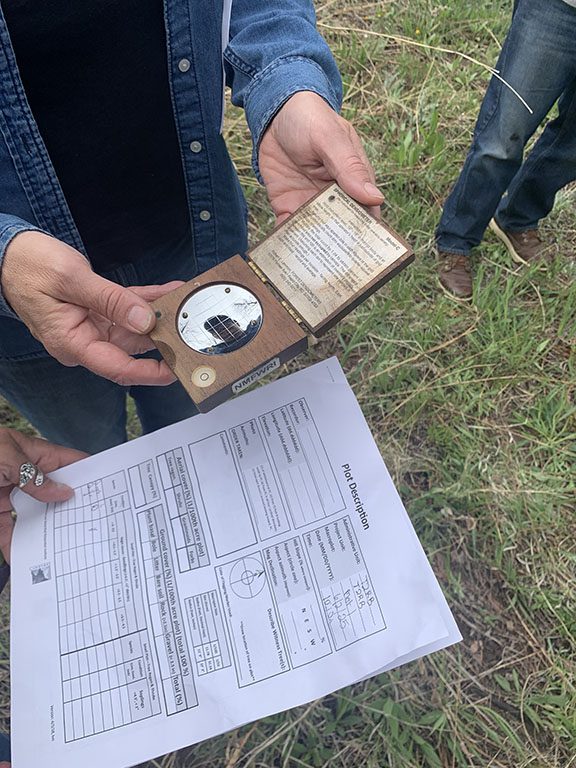
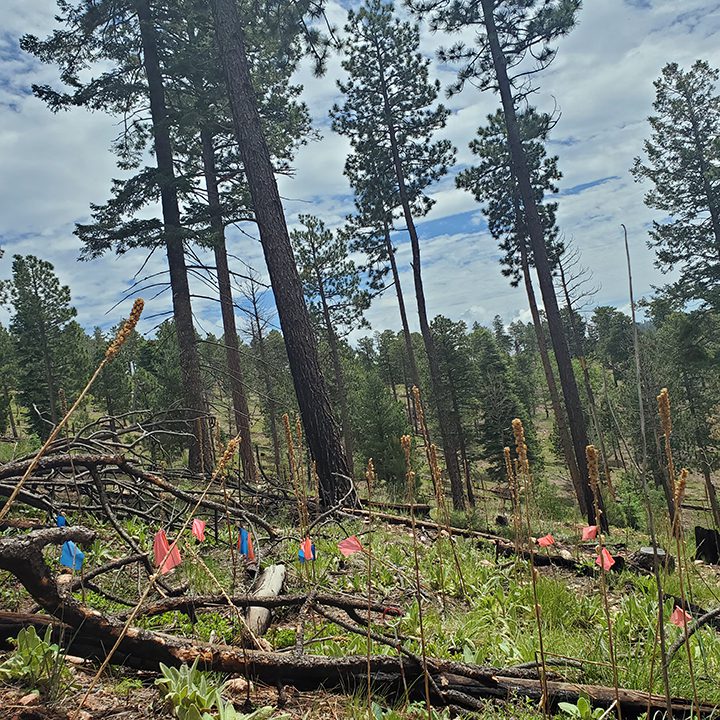
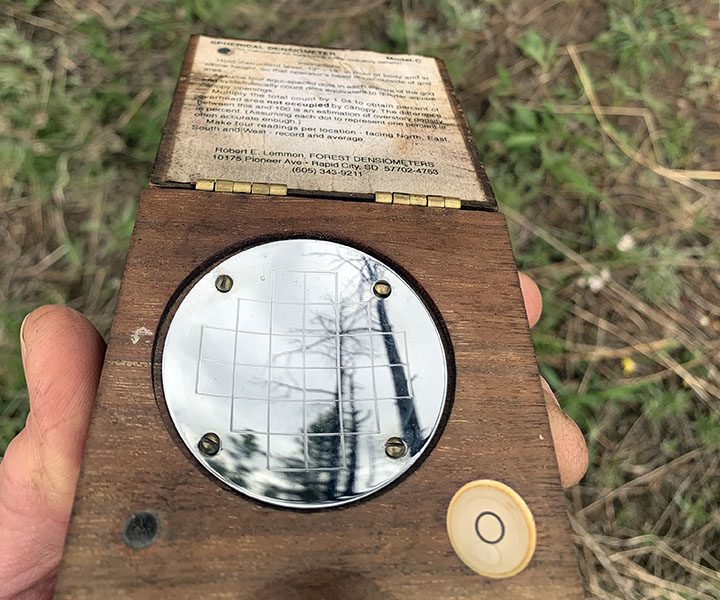
The NMFWRI Upland Ecological Monitoring crew has officially wrapped up their 2025 field season. The crew collected data at 56 plots from May to November. The crew’s monitoring protocols require a high level of attention to detail – they collect data pertaining to mature tree size and species, potential disease or damage to trees, regeneration of trees and shrubs, the extent of the tree canopy, cover of forbs and grasses, and surface fuel loading. This totals to over 30 metrics for each plot. In addition, this is the second year that the monitoring crew has been tagging trees with a uniquely numbered aluminum tag. This will allow the program to track individual trees and answer questions related to disease mortality and snag decay.
Across those 56 plots, the monitoring crew measured and tagged 1,545 mature trees. They counted 51,460 stems of young trees and shrubs. All while essentially living with each other for approximately 1,500 hours over the course of the season, through all kinds of weather, road challenges, and camping adventures.
Completion of this work requires specialized training and knowledge. The monitoring program has high standards for its professional, full-time crew. Crew members must be able to identify 30 species of trees and 55 species of shrubs. They use at least 15 pieces of specialized equipment in the field, and 22 different software platforms in the office. Crew members must also maintain skills in camping, wilderness preparedness and navigation, first aid, leadership, conflict resolution, and mentorship.