
Riparian sites, although a smaller percentage of land area in the southwest, are of critical ecological importance. Early settlement in New Mexico, for example, centered on watercourses and, as a result, many municipalities in the state contain riparian ecosystems. Often in these areas, native vegetation has declined while exotic species have invaded and matured, thereby affecting the loading and pattern of the riparian fuel complex. Instead of the human community growing into the forest and creating the wildland urban interface, the interface has grown up within the urban area. Protecting communities from the sometimes intense, fast-moving fires that occur within these corridors is an important public safety issue for many local communities. Fuel reduction is a primary management objective for treating western riparian areas on USFS land (Stone et al. 2010) and riparian sites are frequently identified as priority areas for hazardous fuels reduction in community wildfire protection plans. Unfortunately, there is insufficient science available to guide the fuel management process. Riparian areas, despite their ecological importance, have been poorly studied with regard to fire and fuel dynamics. Also lacking are any long-term data comparing the ecological impacts of various treatments (Dwire and Kauffman 2003; Stone et al. 2010). NMFWRI aims to remedy this by conducting long-term monitoring on treatment impacts in riparian sites, including with the Greater Rio Grande Watershed Alliance. Learn more about our work in riparian areas here.
Projects
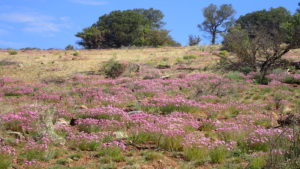

Riparian Monitoring Tools

Riparian Monitoring Handbook
This handbook offers guidelines and protocols for monitoring riparian restoration projects. Protocols are derived from the synthesis of NMFWRI’s experience as a monitoring program, and a broad range of existing literature on the assessment of riparian vegetation and wildlife habitat into a methodology that is efficient, objective, and quantitative.
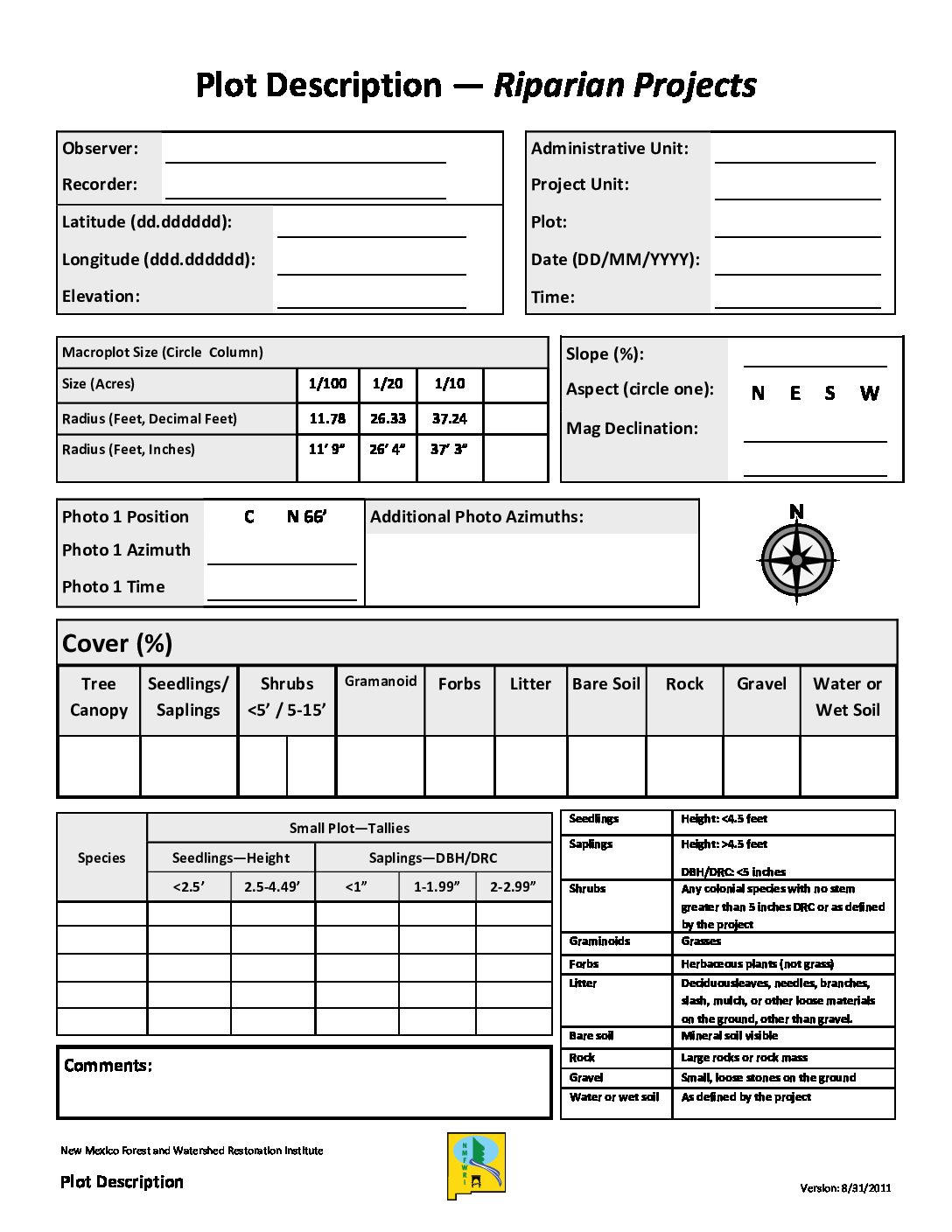
Riparian Data Collection Forms
Riparian Data Collection Forms
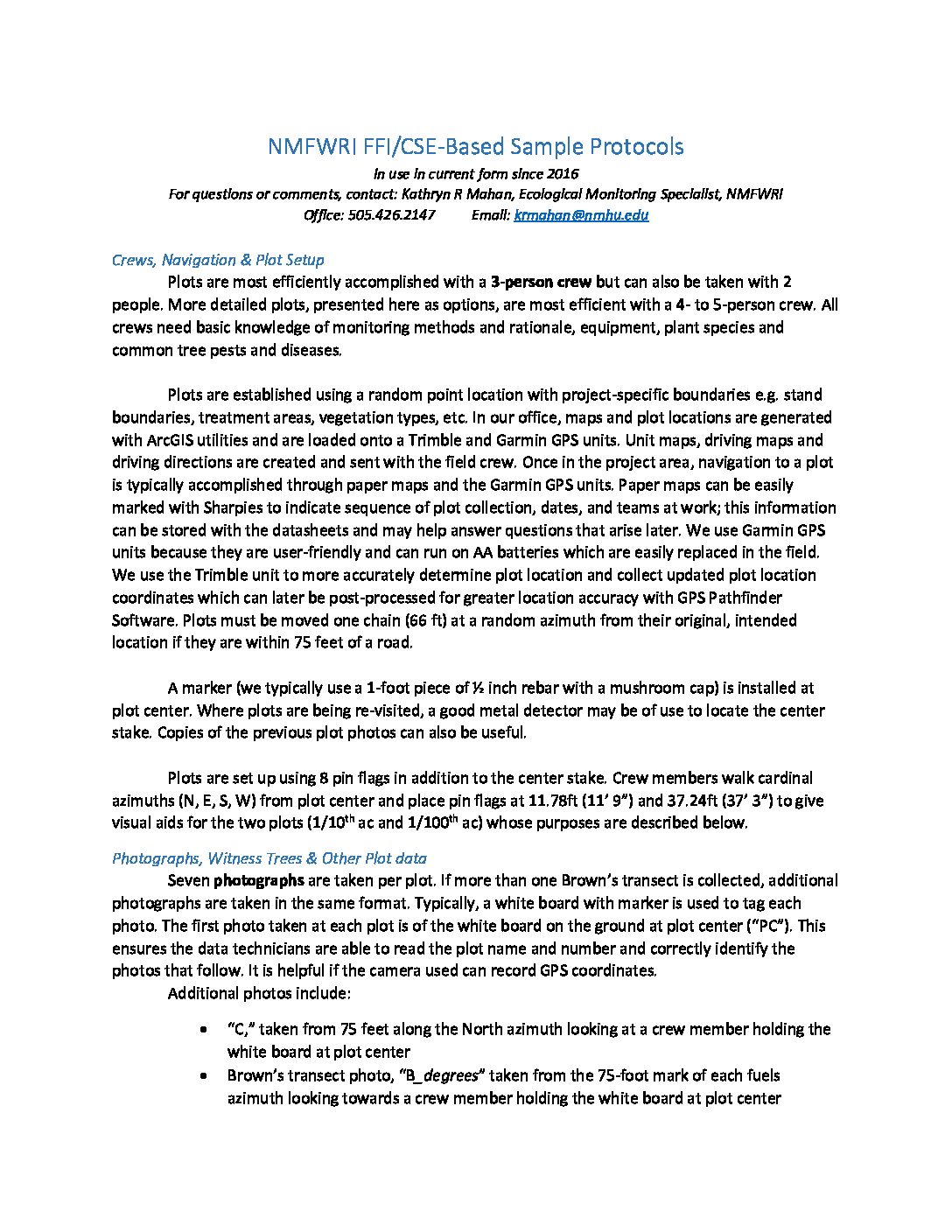
NMFWRI Forest Monitoring Protocols
NMFWRI Forest Monitoring Protocols
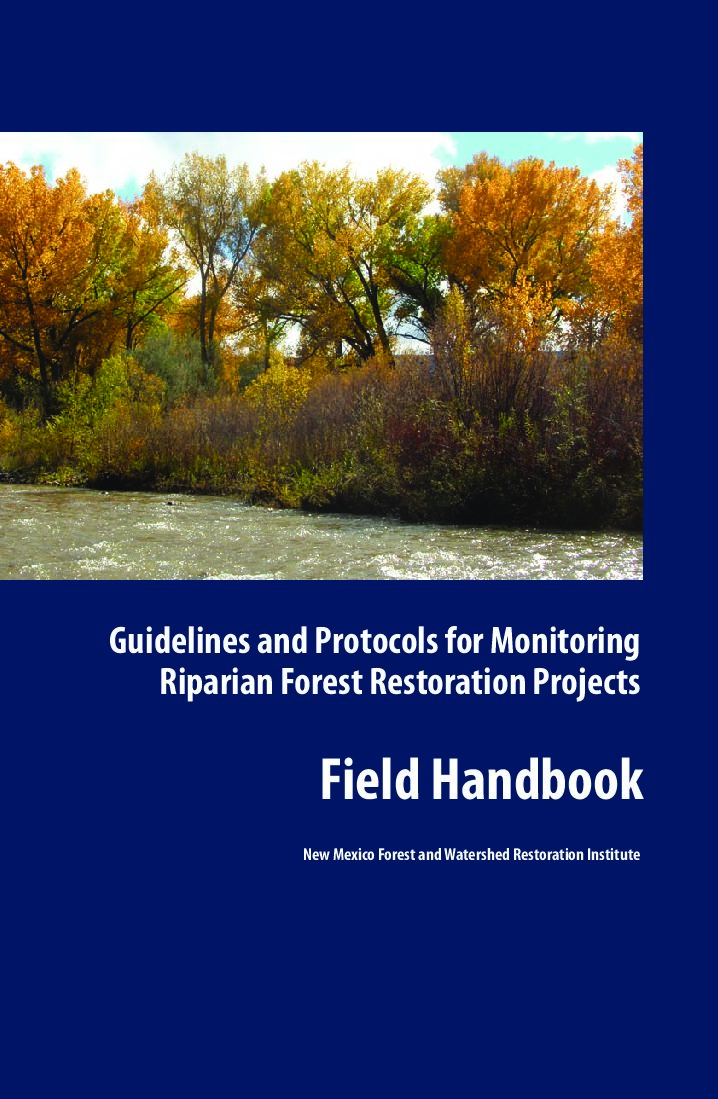
Guidelines and Protocols for Monitoring Riparian Forest Restoration Projects: Field Handbook
Guidelines and Protocols for Monitoring Riparian Forest Restoration Projects: Field Handbook
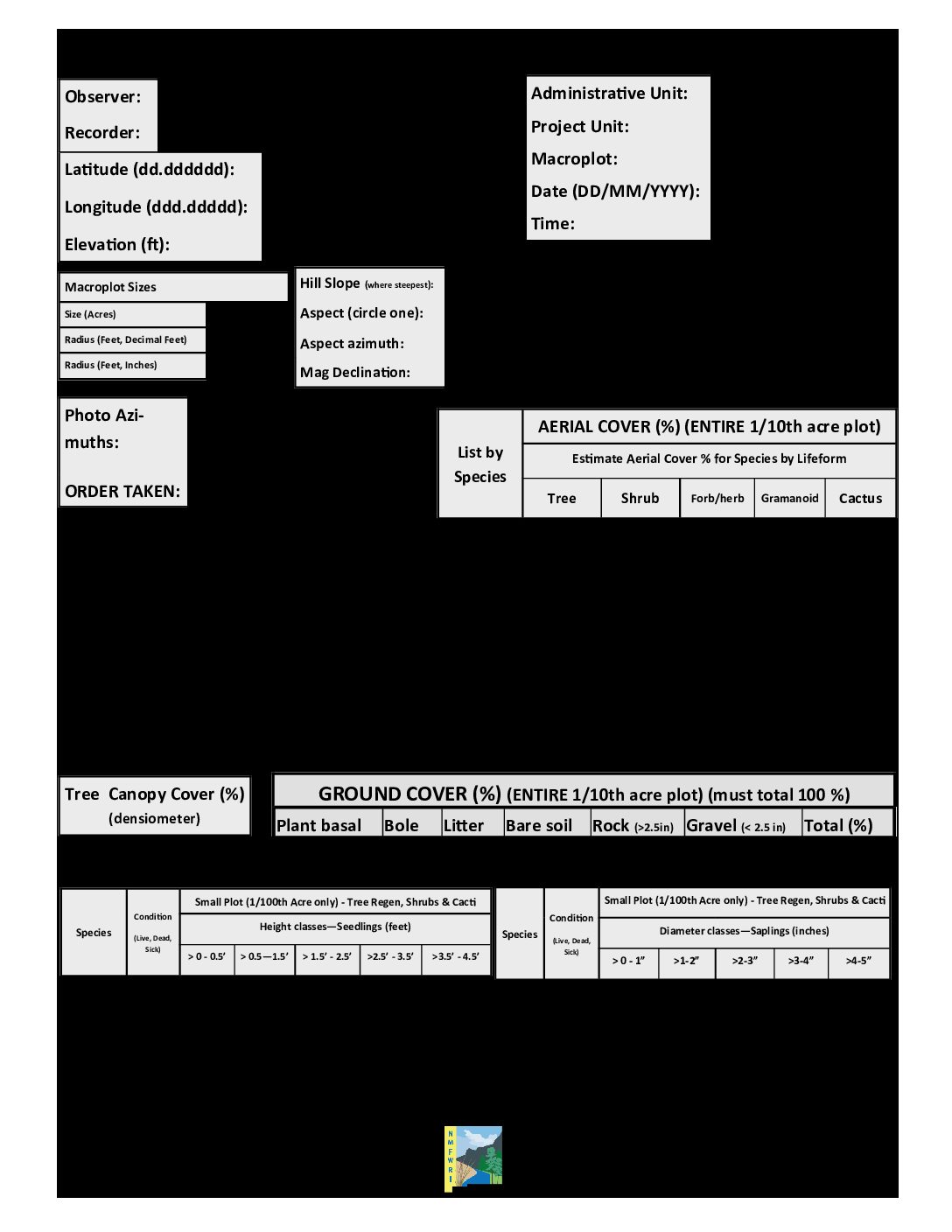
CSE Plot Form – Detailed Blank Data Forms
Field data monitoring form for forest monitoring -with notes