By Alan Barton, NMFWRI Director
At the close of 2025, the staff at the New Mexico Forest and Watershed Restoration Institute (NMFWRI) can be proud of all we accomplished over the past year. While facing several significant challenges, including an ongoing water crisis in Las Vegas and a reduction in our federal funding, our staff responded admirably and never let these ordeals get in the way of our important work with partners around New Mexico and the Southwest. We focused on refining and streamlining our objectives and fostering more collaboration across our programs and with our SWERI coalition, which allowed us to continue strong support for partners working in wildfire mitigation and post-fire recovery. Highlights from 2025 include projects that exemplify our collaborative approach, across NMFWRI programs, our SWERI alliance, and our community partners.
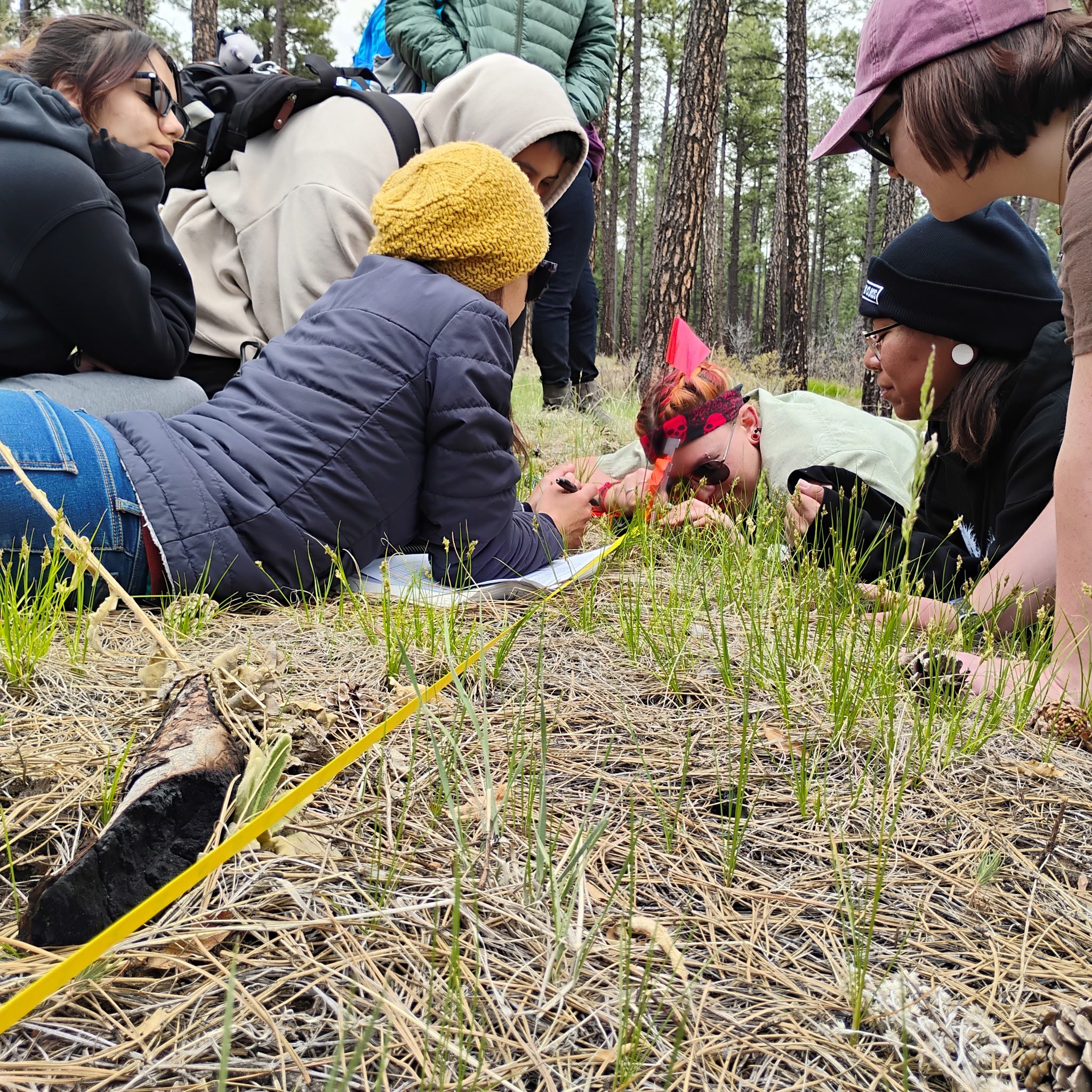
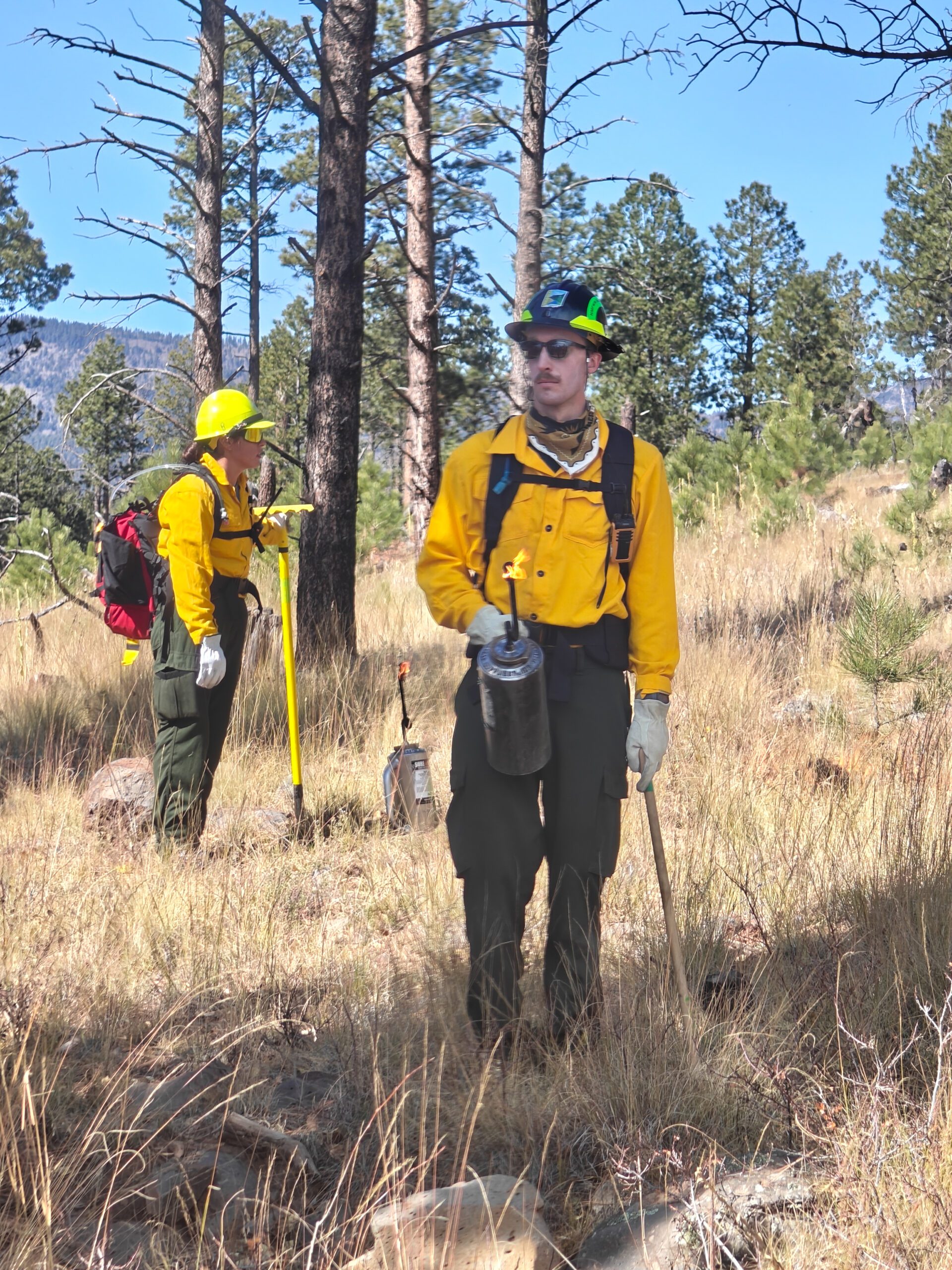
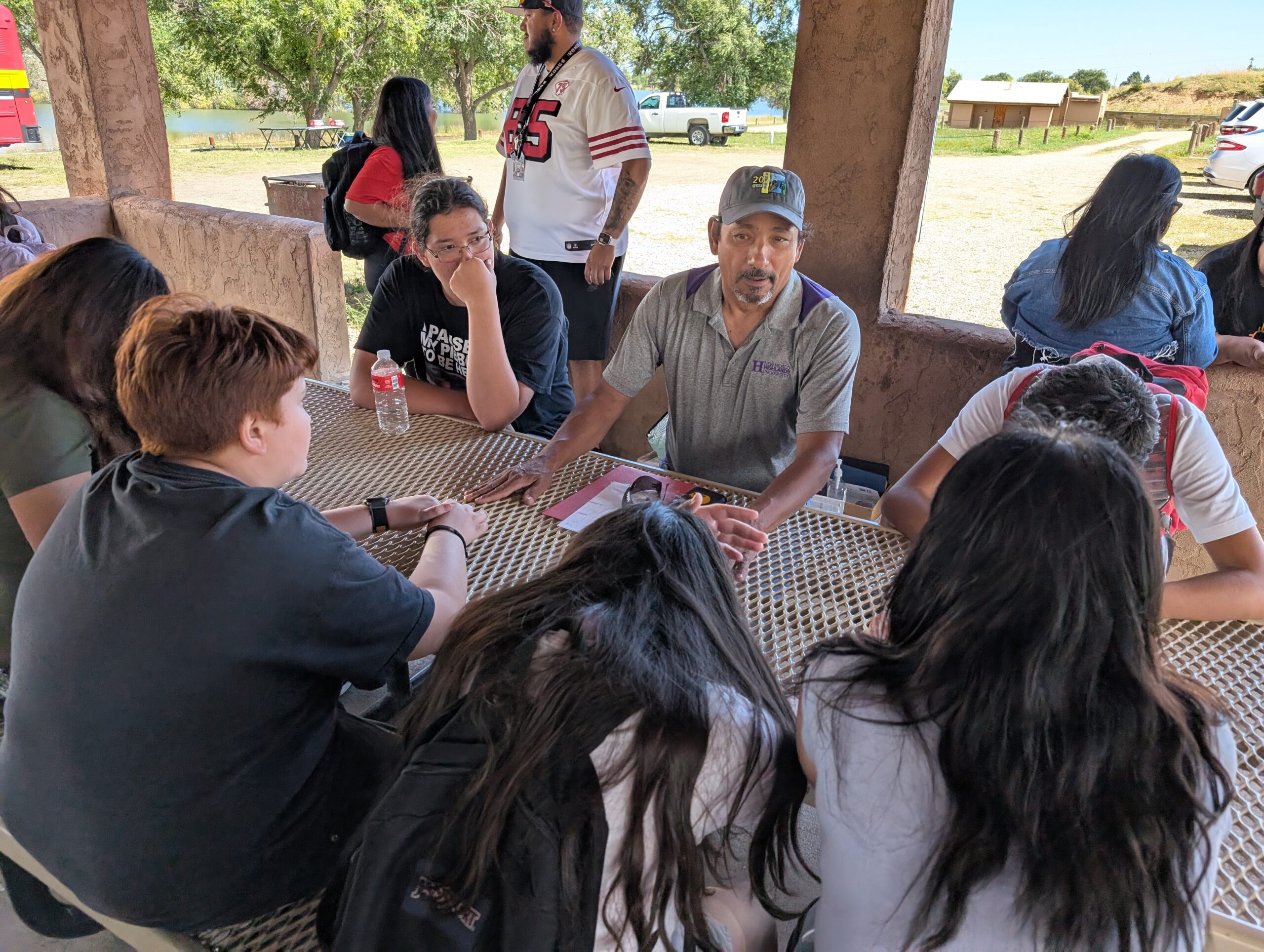
In 2025, NMFWRI initiated a cross-program collaboration called Fire-Informed Restoration Education for New Mexico (FIRENM). Led by NMFWRI program managers Shantini Ramakrishnan and Kathryn Mahan, the FIRENM project draws together the tremendous capacity in our Ecological Monitoring, Conservation Science Center, and Collaboration programs, along with our Public Information and Research staff, to build ongoing community engagement and support in training, education, capacity building, and workforce development. The FIRENM project allows NMFWRI to take a comprehensive approach to providing support for communities in mitigating wildfire risk, recovering from wildfires, and developing restorative economies, with the general goal of increasing resiliency in ecological and economic conditions.
Along with our sister institutes in Arizona and Colorado, in 2025 NMFWRI advanced our cross-SWERI work tied to our ReSHAPE project. We reached a milestone as we launched the Treatment and Wildfire Interagency Geodatabase (TWIG), developed by NMFWRI’s GIS Program staff with support from our SWERI alliance partners and our contractor, Innovate! The TWIG map, the first of its kind, provides a wholly open access map of vegetation treatments and wildfires dating back to 1984 on federal lands managed by the Department of the Interior and the U.S. Department of Agriculture, with details about each treatment and fire, and lots of functions that allow users to query specific landscapes and treatment types. Our GIS staff has been busy promoting this valuable and useful resource, and already it has been adopted for use by researchers, agency staff, NGOs and landowners.
In 2025, we also advanced our work with Hub sites, which provide a template for useful, web-based tools that serve many purposes. Hub sites provide a centralized, easily accessible resource for anyone with an Internet connection, where people with common interests or objectives can post and search for information that facilitates their common work. Along with key partners in New Mexico, NMFWRI has developed and hosts a Hub site that enables conservation collaborative groups to share information, and another Hub site where communities and local governments can share informational resources that help them recover from devastating wildfires. The post-fire Hub tool is especially useful as it allows communities to draw on experience from other communities, allowing them to respond to wildfire emergencies and post-fire risks more quickly and effectively.
Twenty years ago, the NMFWRI and SWERI partners were created with the goal of promoting collaborative forest management, a new and promising approach in 2005. Our work in 2025 shows how we have solidified this approach over the past two decades. NMFWRI staff now look to collaboration – within our institute, across our SWERI alliance, and with community partners – as the normal way to operate in our work. And by collaborating, we work more efficiently, with greater impact and more sustainable outcomes.
All of us at NMFWRI look forward to continue collaborating with our partners through 2026, and we wish everyone a Happy New Year!