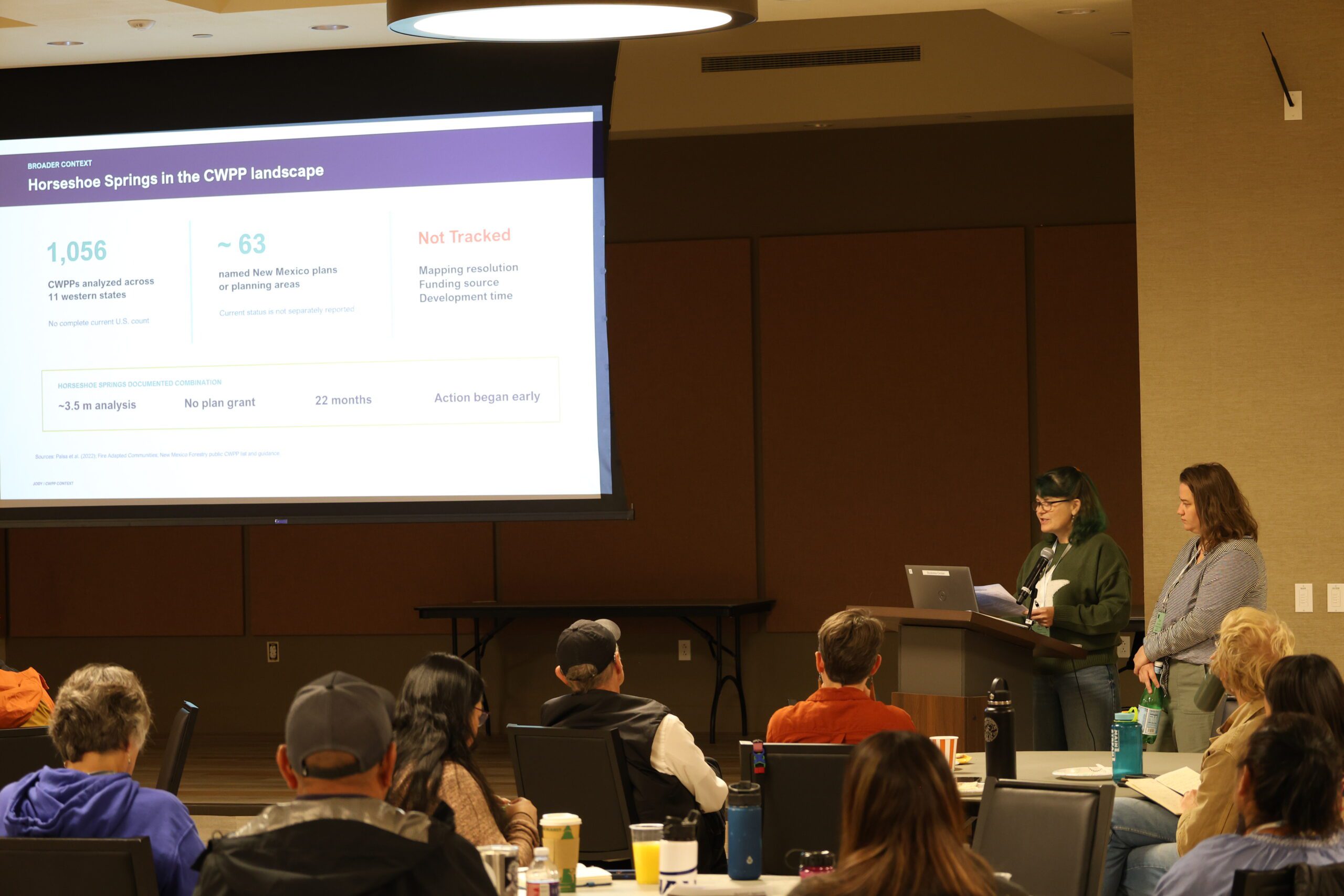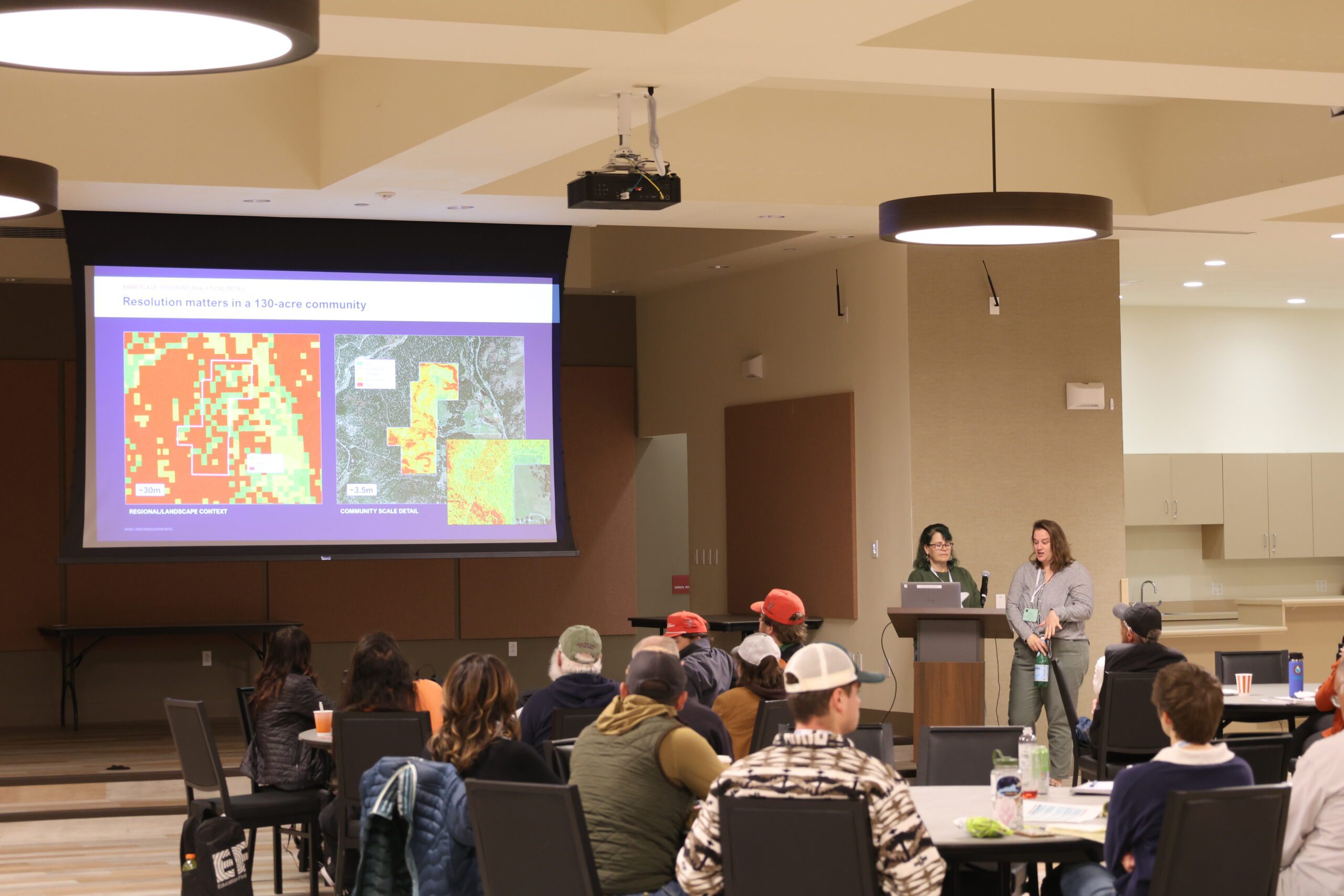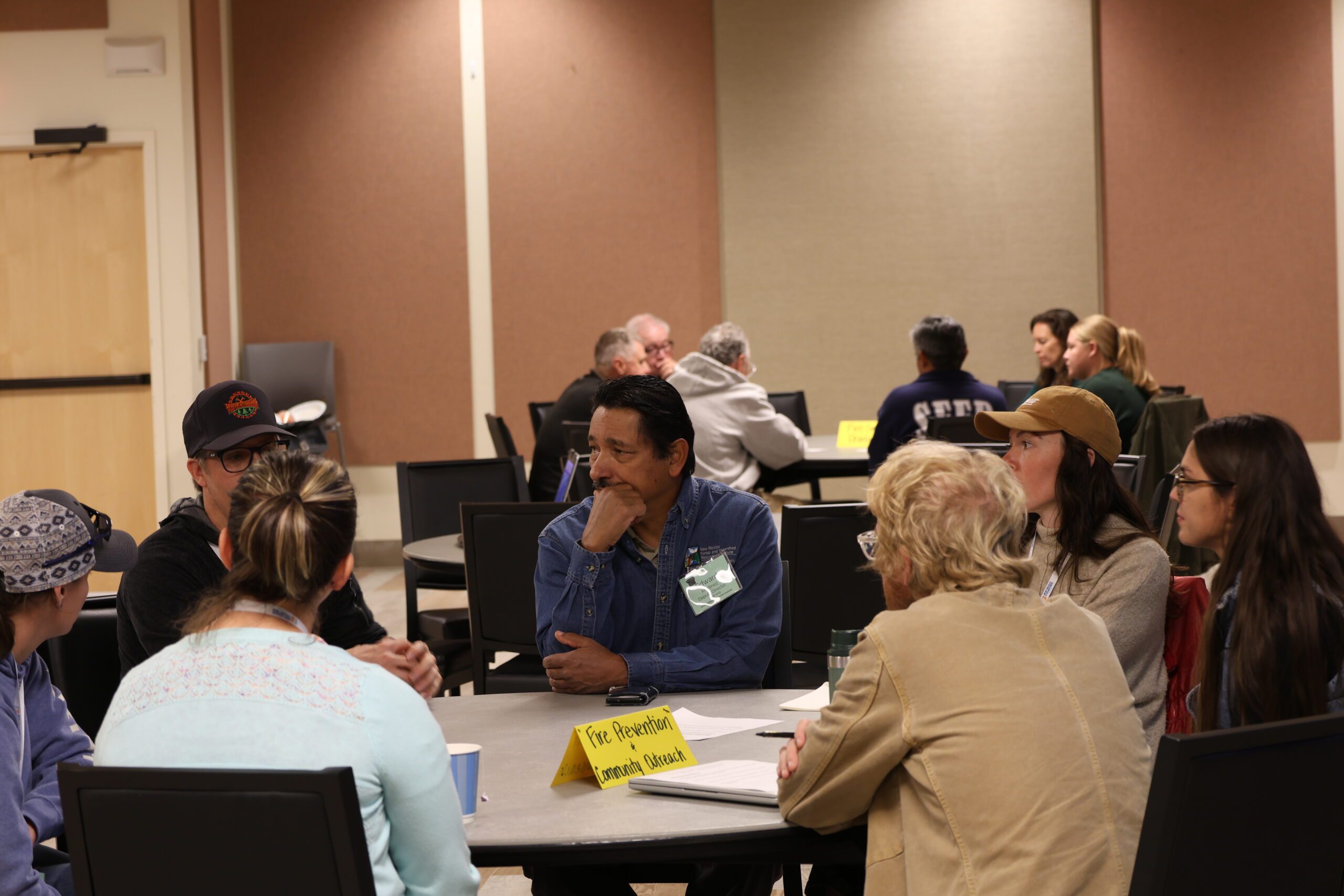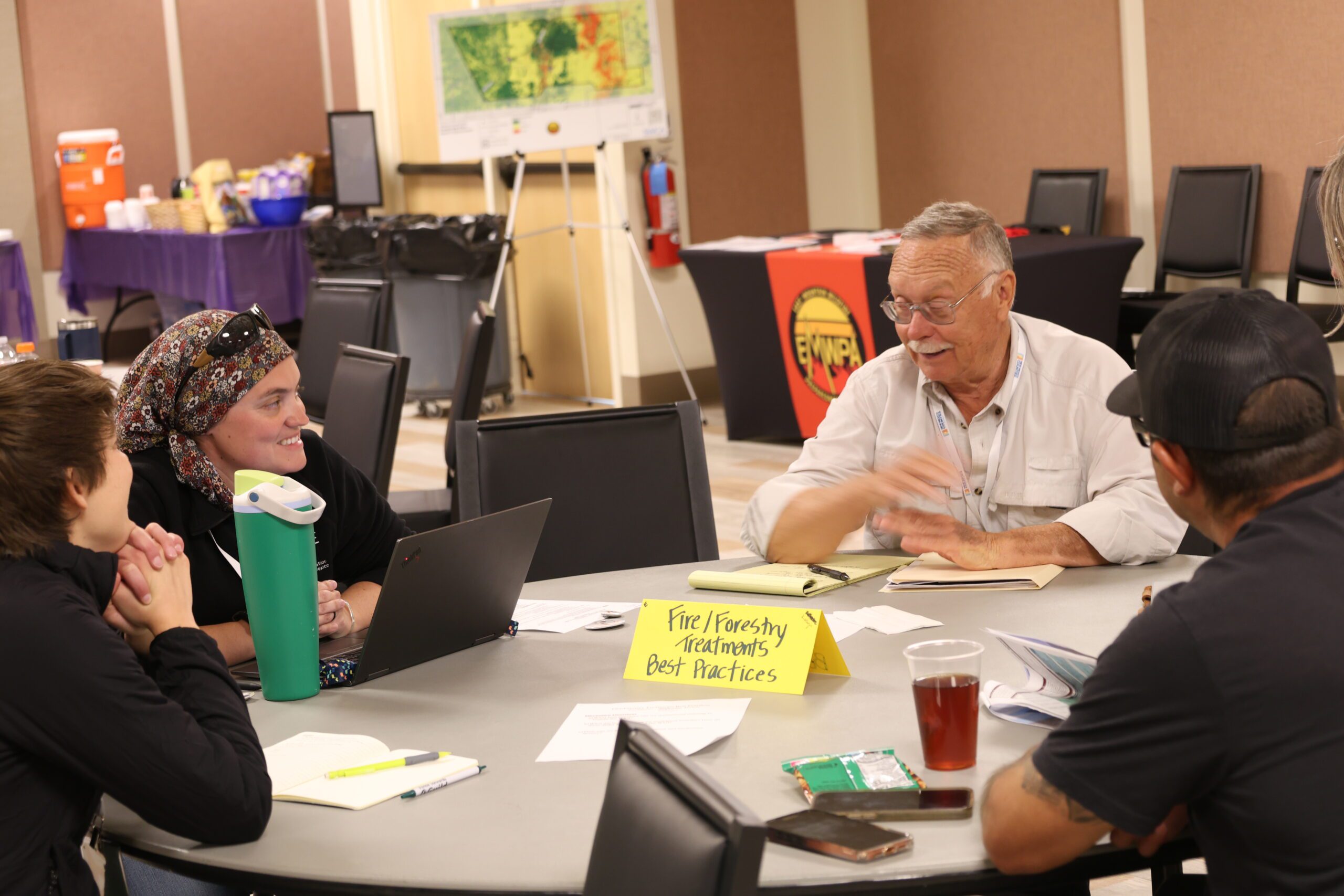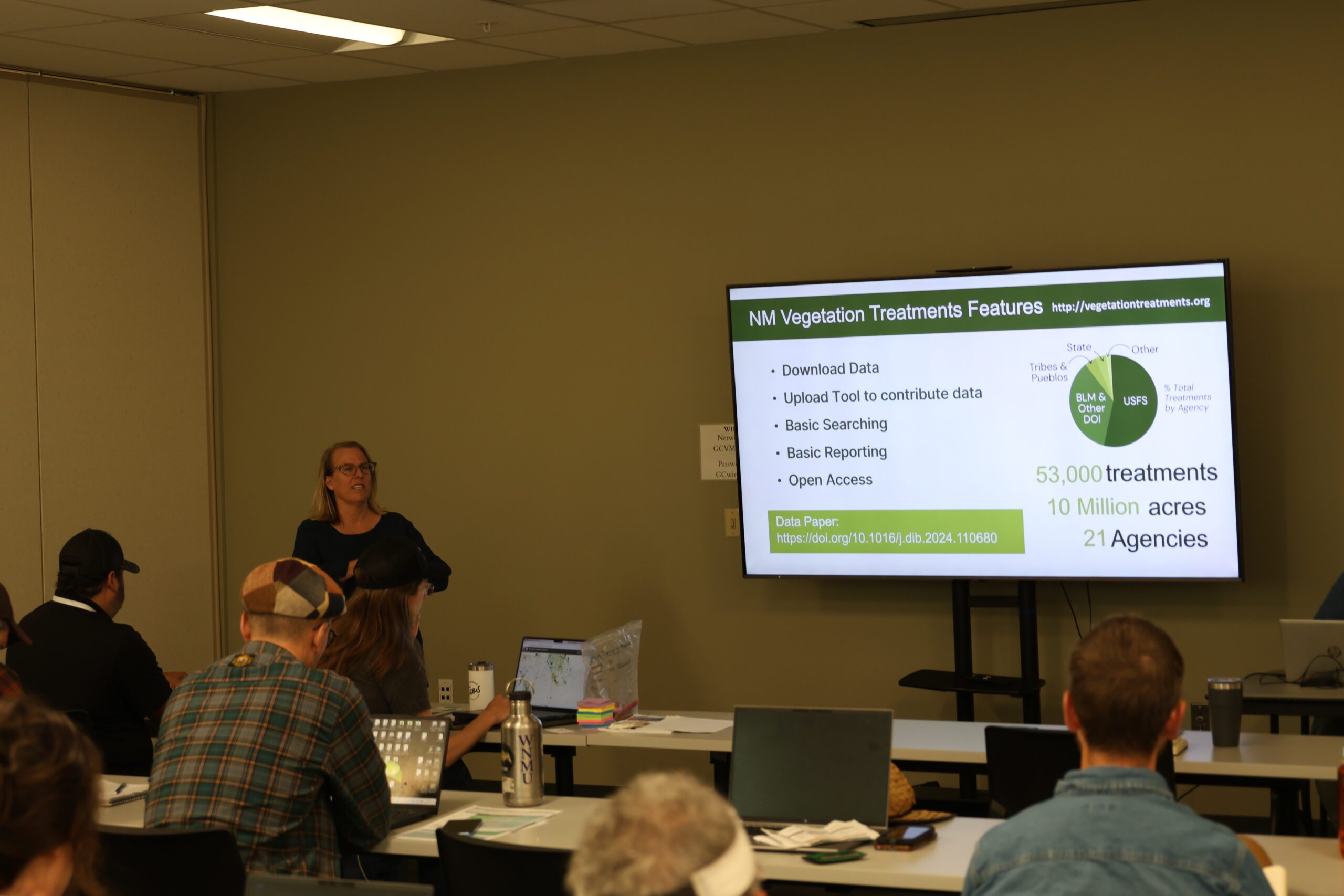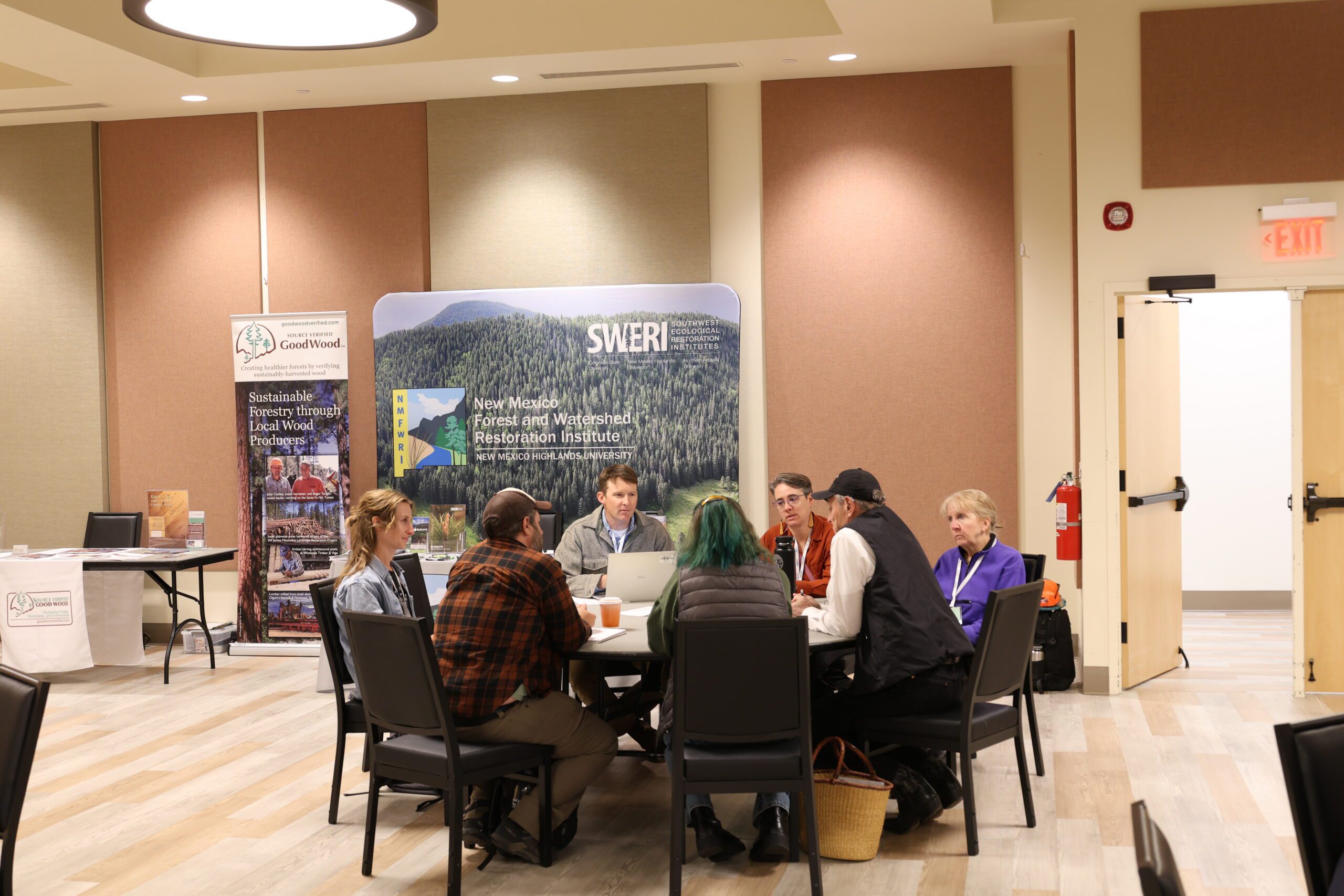
About 100 people gathered Oct. 14-16 in Silver City for the 2026 New Mexico Wildland Urban Fire Summit, focused on communities adapting to a changing fire ecosystem. The annual summit brings together homeowners, foresters, neighborhood leaders, county government officials, students, firefighters and others from around the state to address the increasing challenges of wildfire risks to communities and recovering after fires.
Staff from the New Mexico Forest and Watershed Restoration Institute led or participated in three of the panels this year. The NMFWRI panels included:
- Patti Dappen, GIS program manager, Dana
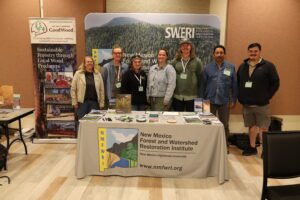 Heusinkveld, GIS research specialist, and Terence Garcia, digital content and outreach specialist discussing Geospatial Tools for Wildfire Mitigation and Preparedness. They demonstrated the national Treatment and Wildfire Interagency Geodatabase (TWIG) and the new Grant County Fire Hub.
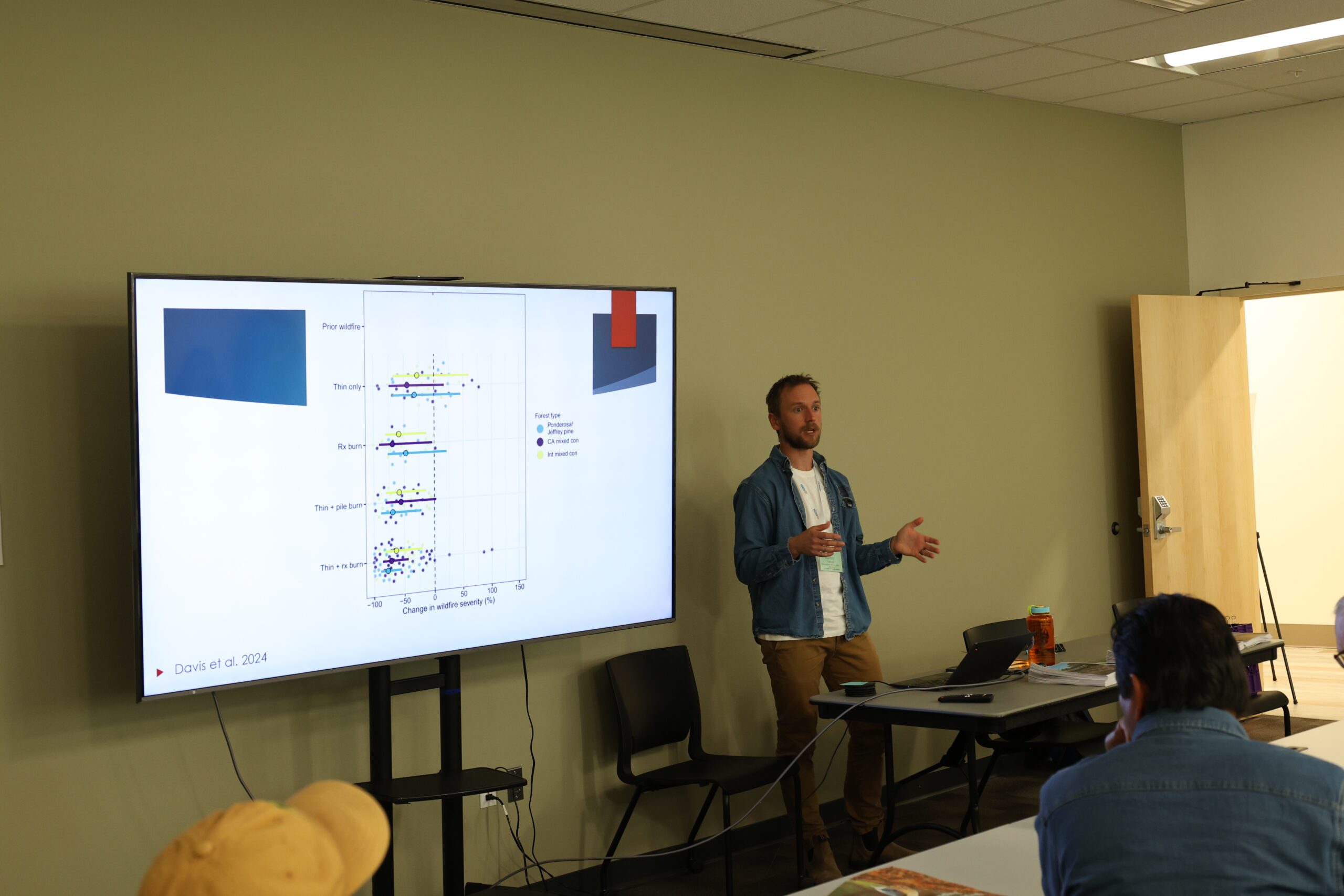
- Nate Tomczyk, researcher and Kathryn Mahan, ecological monitoring program manager, presented Forest Treatments: Do They Work, and How Do We Know? Evidence from New Mexico. Nate opened with a literature review of research on forest treatment effectiveness, followed by Kathryn’s presentation of NMFWRI’s long-term monitoring data, including what we can learn about treatment longevity from Collaborative Forest Restoration Program projects and treatment effectiveness observations from the 2022 Hermit’s Peak/Calf Canyon Fire. They shared some of the open research questions NMFWRI is actively exploring, including how small treatments perform, how long treatment benefits last, and how to better define treatment prescriptions. Together, the presentation highlighted how research and long-term monitoring can inform forest management decisions.
- A third panel focused on Source Water Protection in Wildfire Preparedness and Postfire Recovery led by Kristin Kinic of the New Mexico Environment Department and Martha Graham of the New Mexico Rural Water Association. NMFWRI researcher Michael Roberts assisted with the panel.
The summit also featured panels presenting on:
- homeowner insurance in wildland fire areas,
- fire detection cameras,
- prescribed fire in the Wildland Urban Interface,
- involving youth in wildfire resiliency,
- and collaborative fuels treatments.
A pre-Summit workshop organized the nonprofit Forest Stewards Guild and City of Santa Fe Fire Department helped people learn how to conduct a Home Hazard Assessment for wildfire risk.
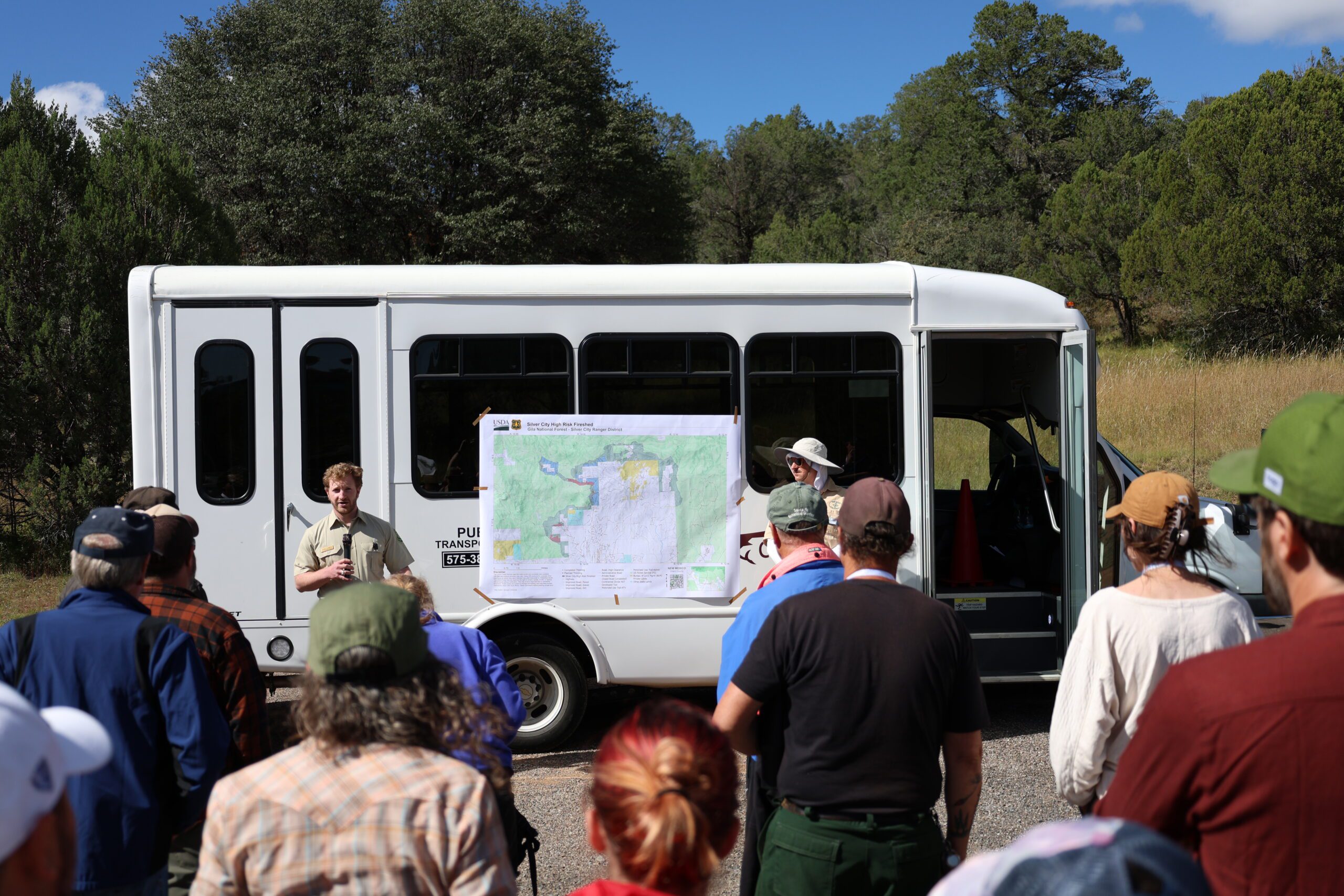
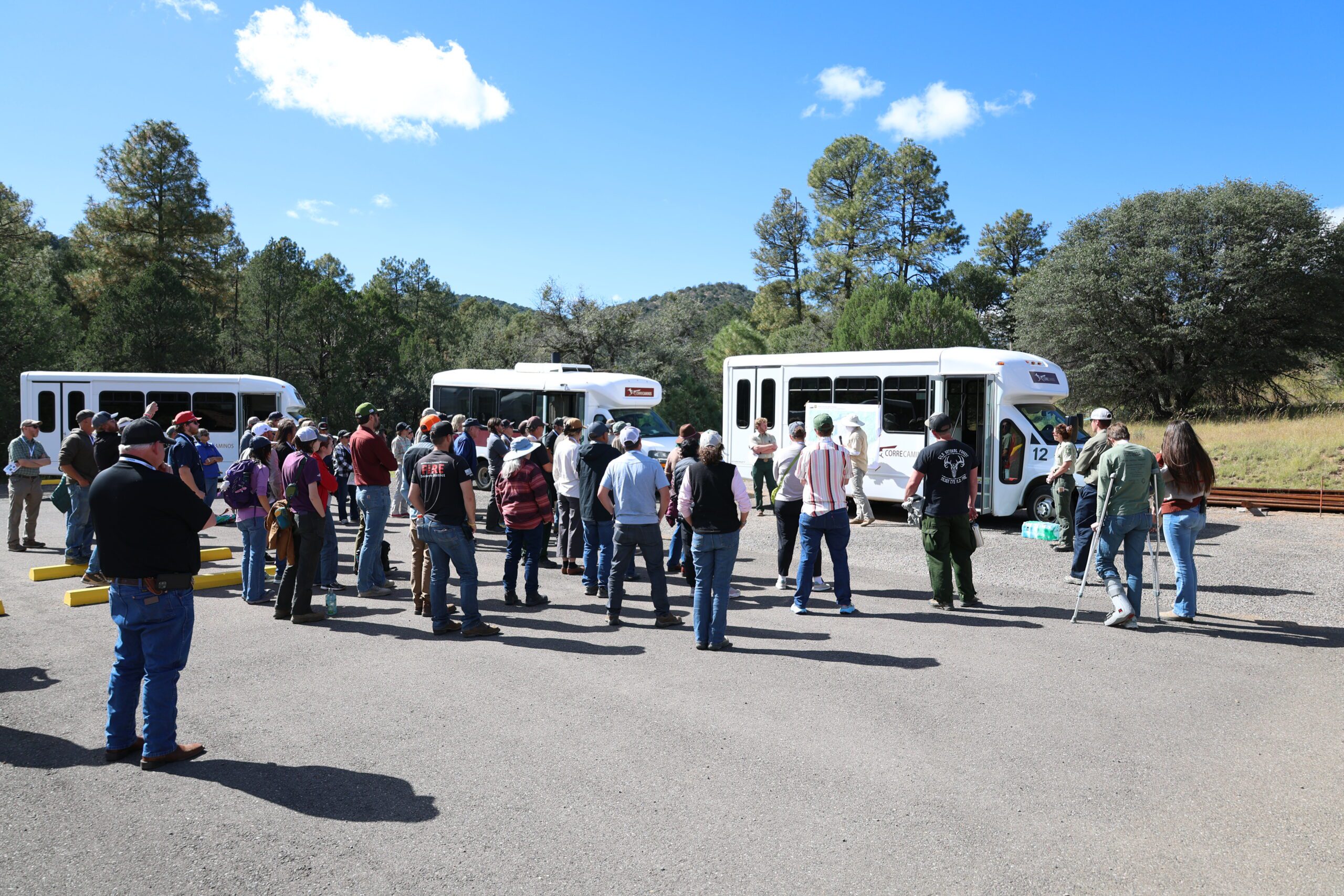
The Summit began with a tour of the Silver City High-Risk Fireshed Project by Gila National Forest representatives.
The Summit is coordinated annually by the New Mexico Association of Counties with partners from the Western New Mexico University, Grant County, East Mountain Wildfire Preparedness Association, South Central Mountain R,C and D Council, Gila National Forest, NM Forestry Division, Bureau of Land Management, Forest Stewards Guild, New Mexico Forest and Watershed Restoration Institute, and the Southwest Fire Science Consortium.
Explore additional resources on the New Mexico Counties resources page, https://www.nmcounties.org/resources/