
Volunteers build low-tech structures to reduce erosion on Manuelitas Creek
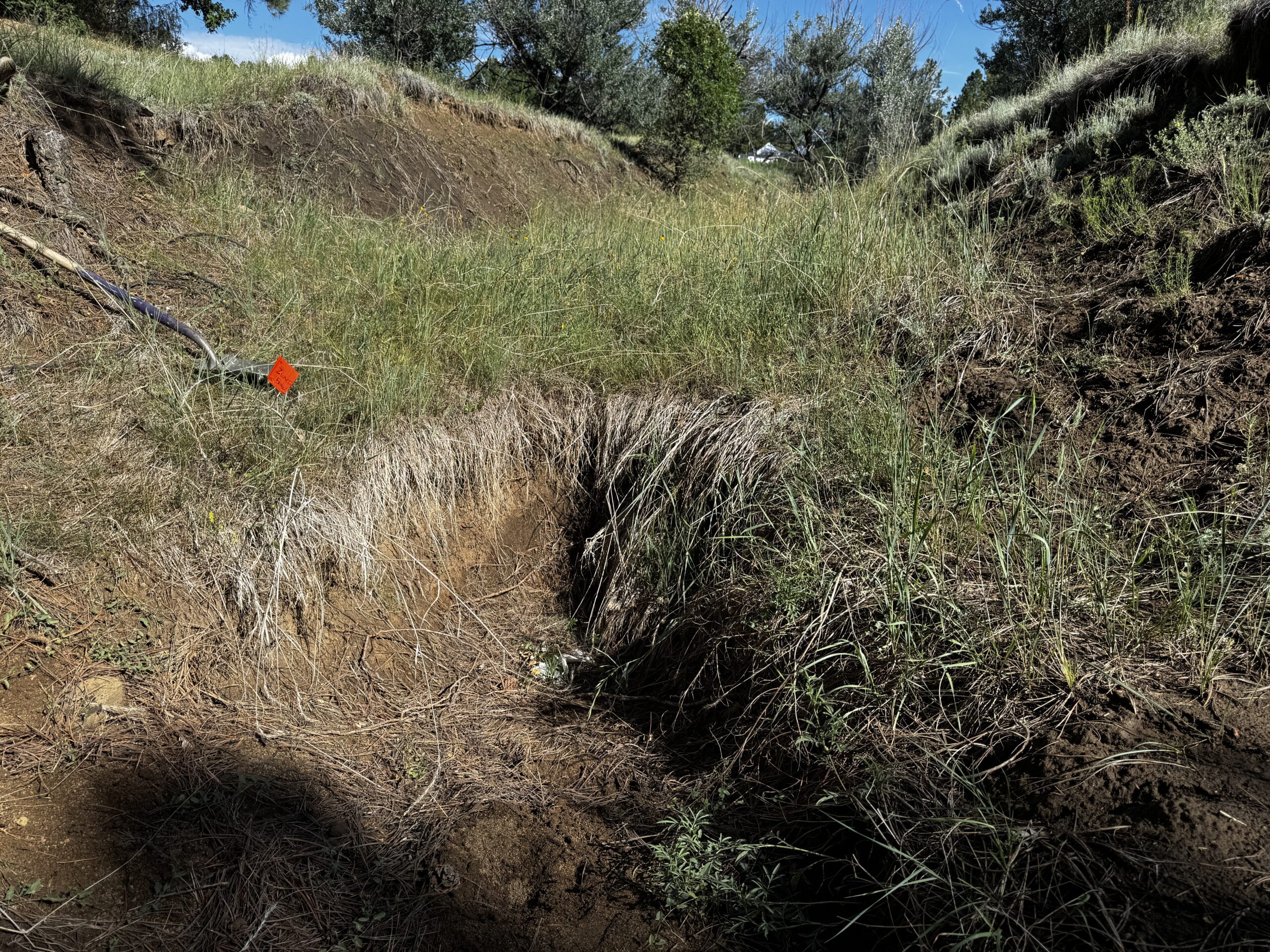
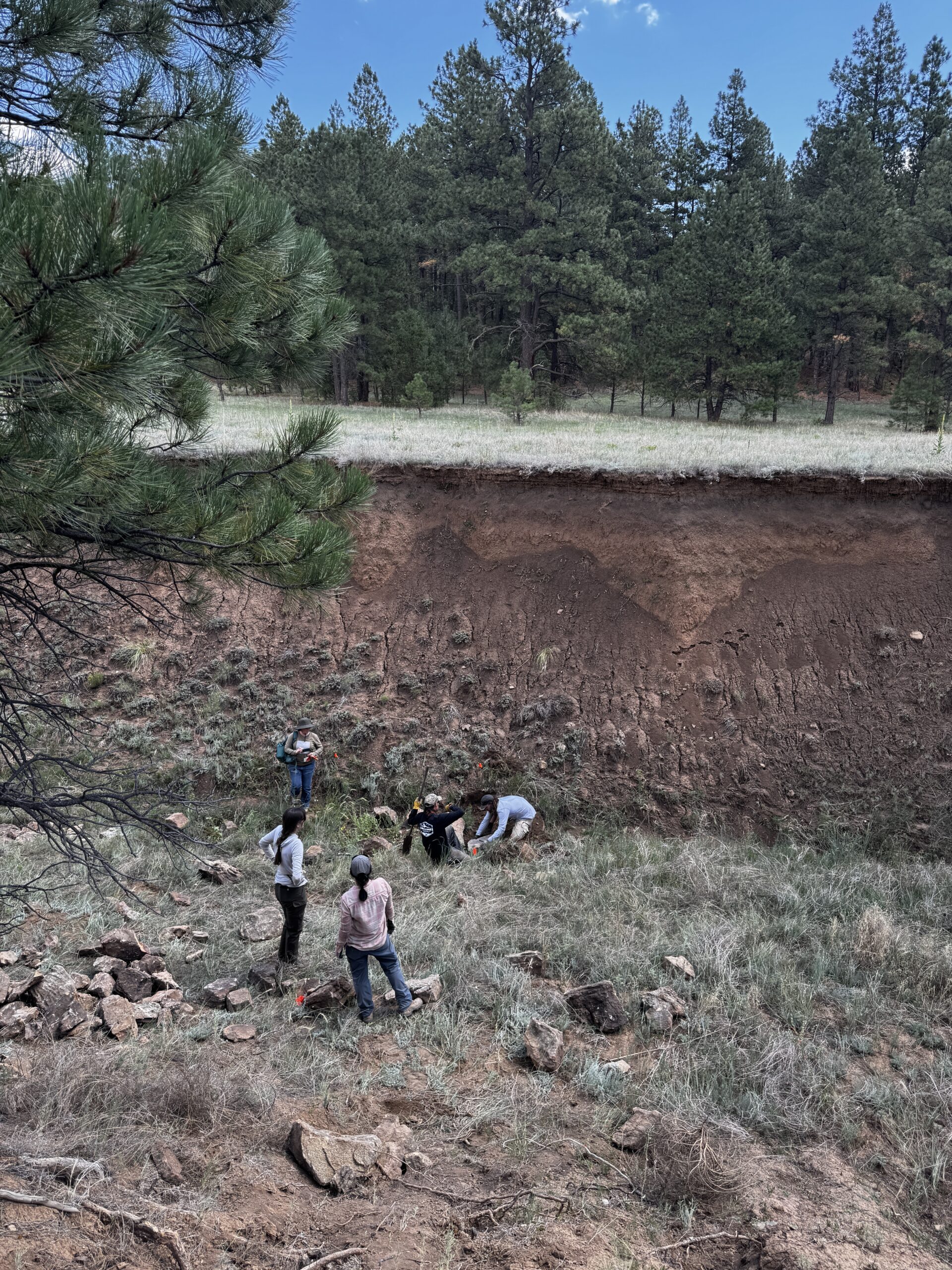
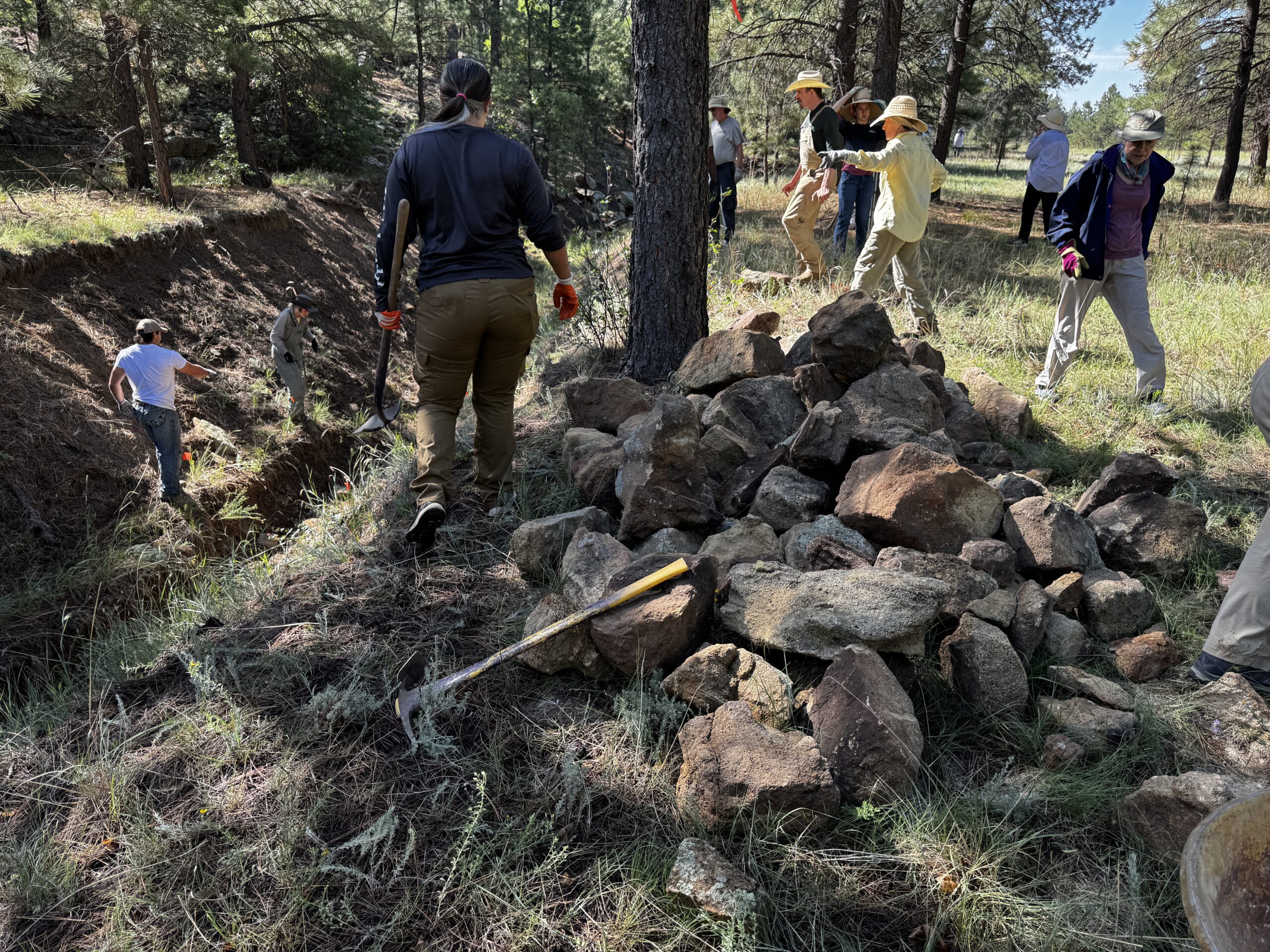
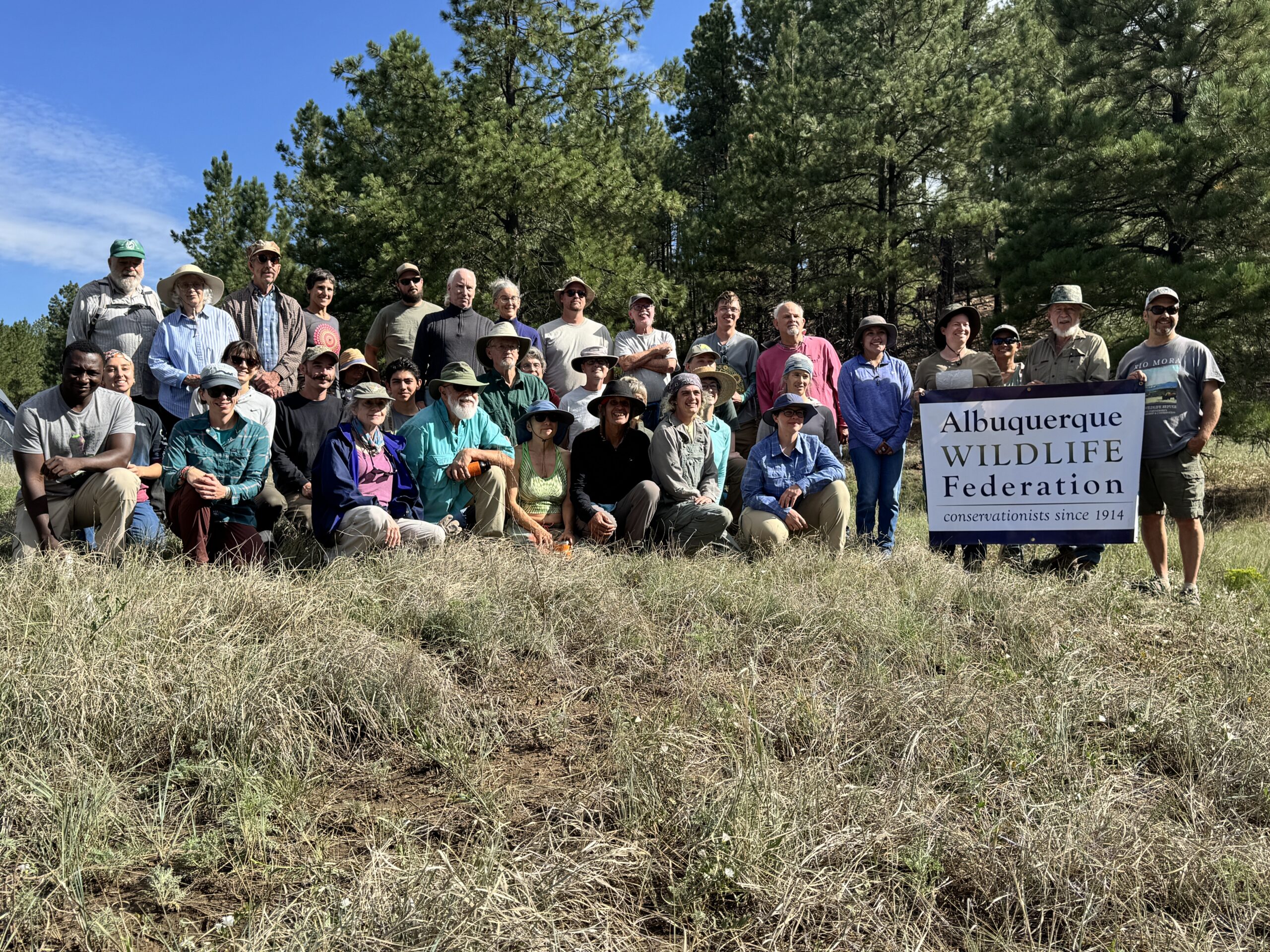

More than 30 volunteers, including three Highlands University students, a biology instructor, and alums, spent the weekend building low-tech structures of rocks and logs to reduce erosion along Manuelitas Creek in Sapello, NM. The project was a collaboration between the private Los Rincones Contentos Ranch, the nonprofit Albuquerque Wildlife Federation, and the New Mexico Forest and Watershed Restoration Institute (NMFWRI) research organization based at Highlands University.
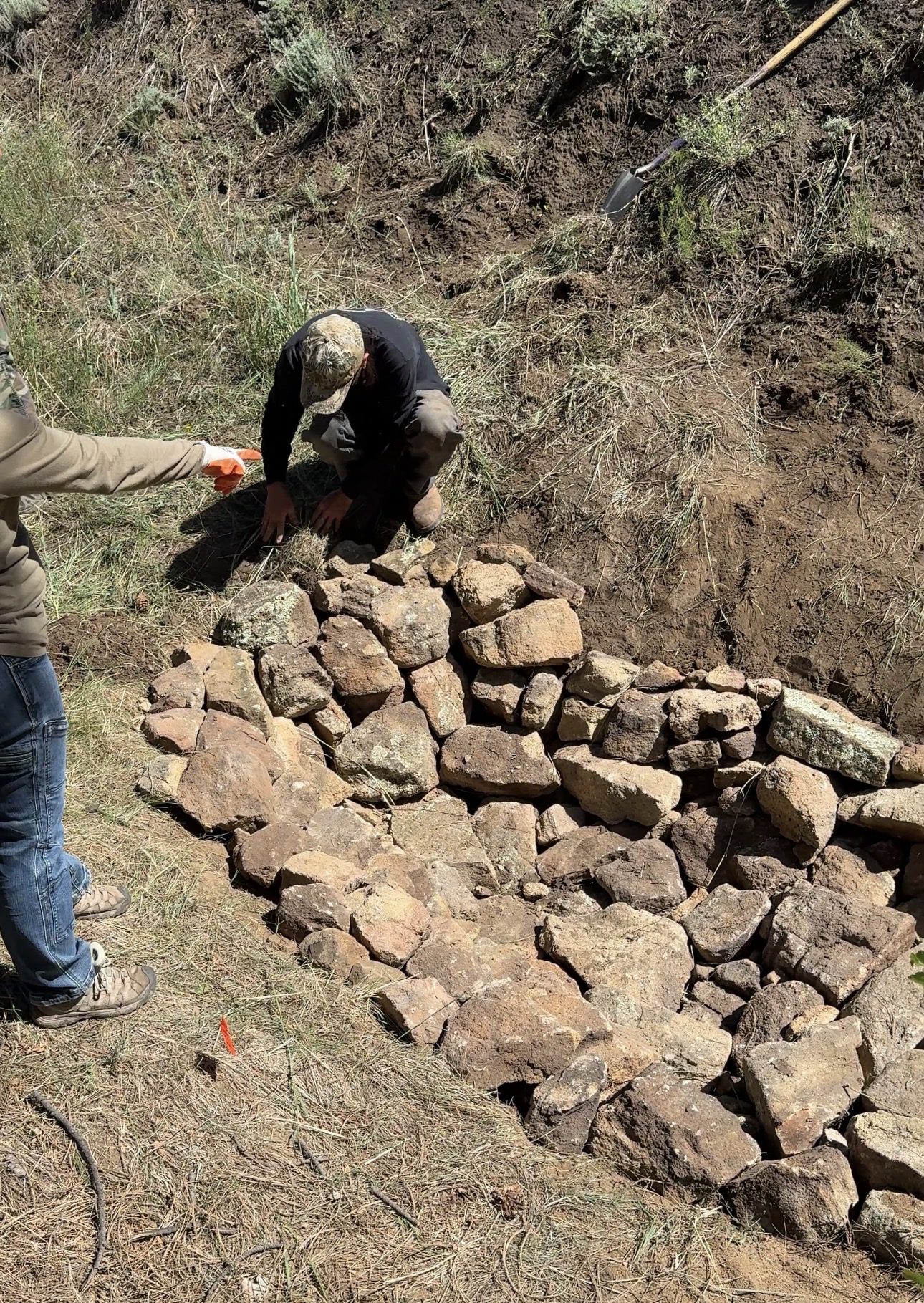
Volunteers built 22 structures over two days, Aug. 15 and 16. These included rock “Zuni” bowls (inspired by traditional techniques used at Zuni Pueblo), one rock dams and log mats (to catch sediment and reduce down-cutting by water flow), and baffles (rock structures used to redirect water flow). Over time, the structures slow down and spread out water, reduce erosion, and help raise the level of the arroyo beds with sediment. The goal is to The goal is to slow down the water during rainstorms, and encourage soil infiltration, which can help groundwater aquifers, grow vegetation, and reduce flooding risks.
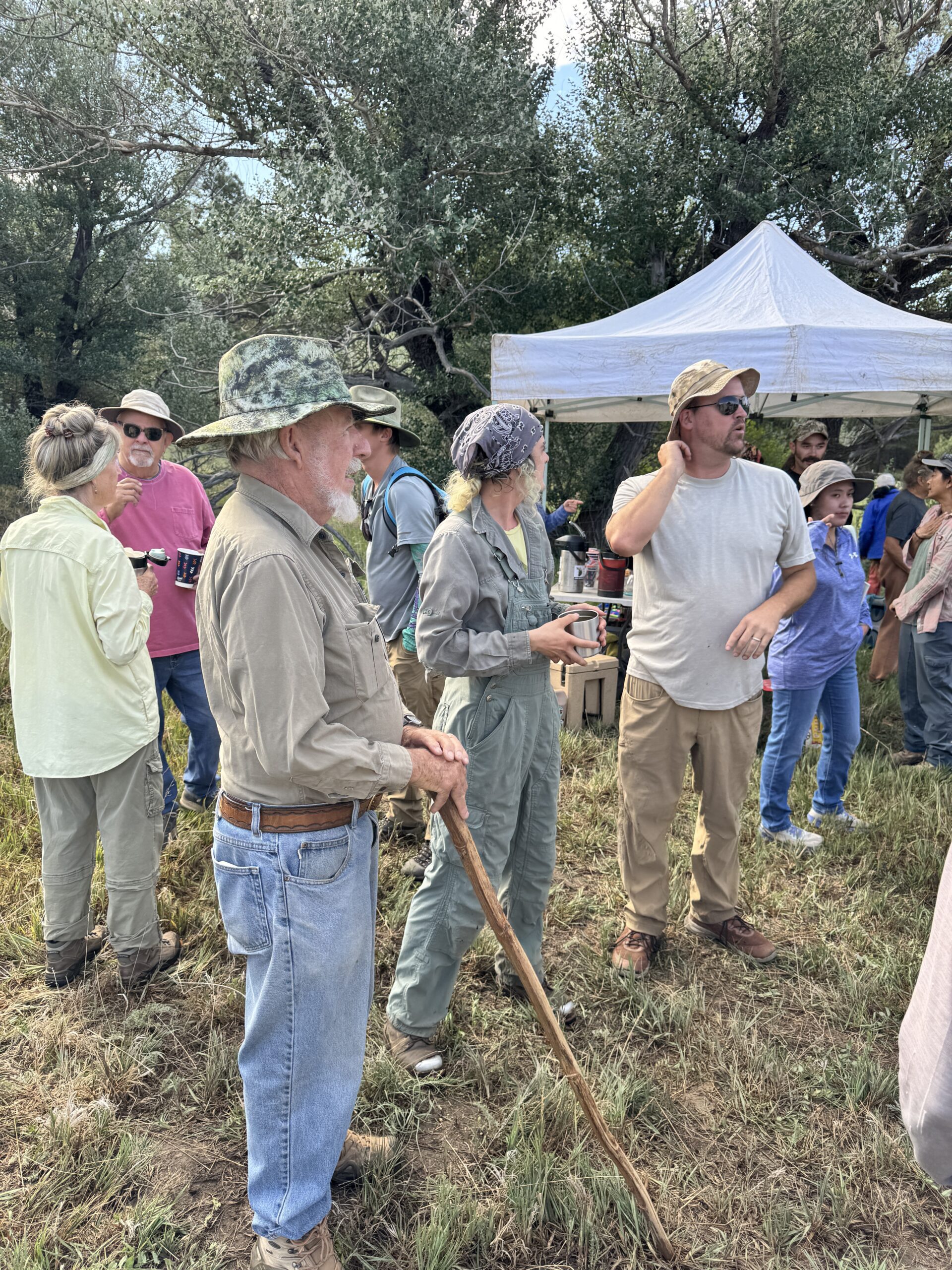
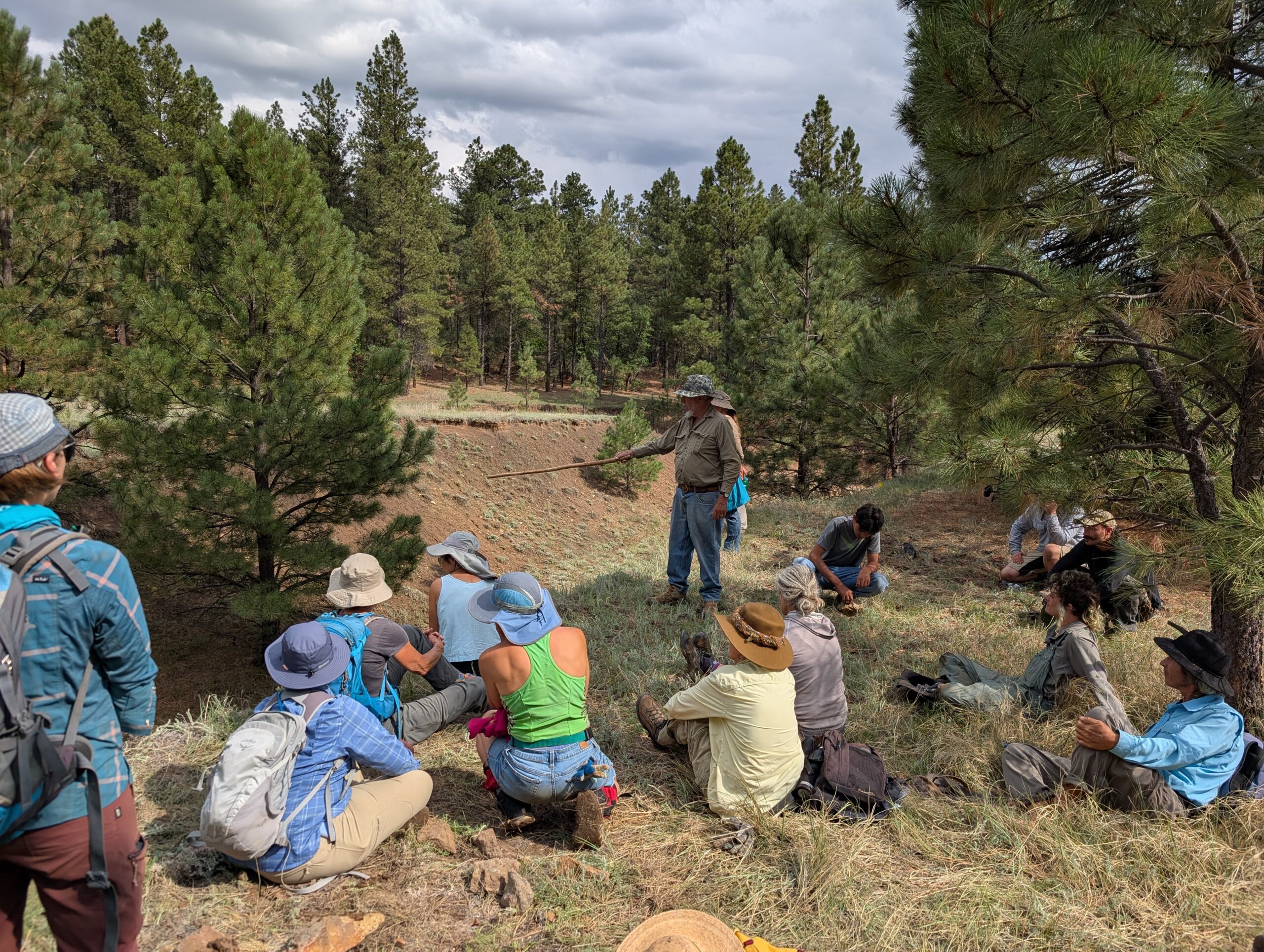
On hand to check the work was Bill Zeedyk, a Sapello resident and current Emeritus Board member of Albuquerque Wildlife Federation, who developed and refined many of the erosion control techniques used for the weekend work. Through decades of trial, error and monitoring on projects around New Mexico, Zeedyk perfected ways to restore riparian areas, wetlands and meadows. Zeedyk’s book “An Introduction to Induced Meandering” and “An Introduction to Erosion Control” are both available to download free from the Quivira Coalition https://quiviracoalition.org/product/induced-meandering/. A limited video series about Zeedyk’s work is available at Thinking Like Water.
AWF led the volunteer work project, including training the landowner on how to build different structures. AWF, NMFWRI and the landowner prepped piles of rocks and cut logs on the edge of arroyos to use for the restoration weekend. NMFWRI boosted expertise on the ground to build structures and work with volunteers and provided a shuttle and student driver to ensure volunteers could access the remote site and participate.
Phil Carter, Albuquerque Wildlife Federation President, and Shantini Ramakrishnan, who manages the Conservation Science Center for NMFWRI, both said the workshop was a success.
NMFWRI’s Ecological Monitoring team returned to the site a couple of days after the work project to conduct a geomorphology survey, which provides information on the physical, chemical and biological conditions of a landscape and how that contributes to erosion.
You can find guides and more information and videos about low tech erosion control structures on the HPCC Post-fire Resource Hub site under the Mitigation and Recovery tab and on the Quivira Coalition resources tab.