News
NMFWRI monitors project at Edward Sargent WMA
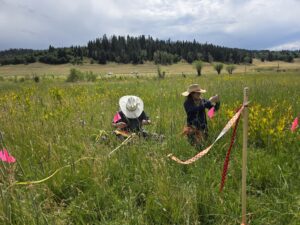
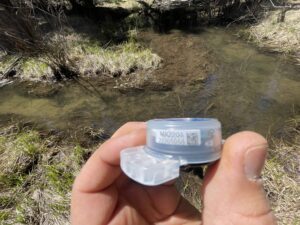
The NMFWRI Ecological Monitoring team spent part of July working on a project in partnership with the New Mexico Department of Wildlife at the Edward
The NMFWRI Ecological Monitoring team spent part of July working on a project in partnership with the New Mexico Department of Wildlife at the Edward
NMFWRI continues to expand its capacity in research and in communicating science with the addition of two new staff. Dr. Andreas Wion was hired as
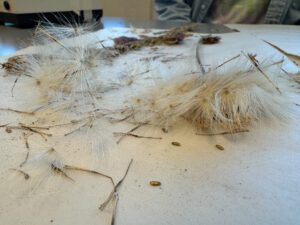
NMFWRI’s ecological monitoring team and colleagues from other programs spent two July days identifying and cataloging plant specimens to add to the Institute’s herbarium. Emily

The story of the devastating 2022 Hermit’s Peak/Calf Canyon wildfire and its aftermath gained renewed interest and an award during the recent Esri User Conference
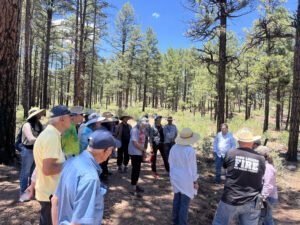
More than a dozen landowners from Mora and San Miguel Counties gathered in Mineral Hill for the Plants as Post-fire Restoration Tools workshop hosted by
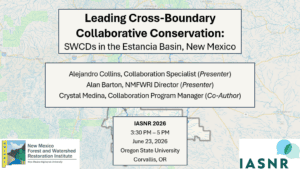
By Alejandro Collins, Collaboration Specialist In June, Collaboration Specialist Alejandro Collins attended the 40th annual conference of the International Association for Society and Natural
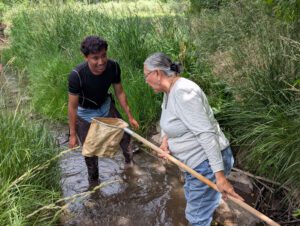
As the school year sunset, the Conservation Science Center’s summer programming for 17 high school aged students kicked off with the four-day Summer Field Experience,
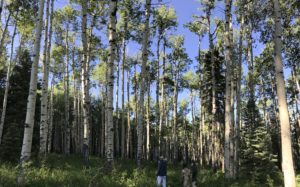
Alan Barton, NMFWRI Director 2026 marks a milestone in the history of the United States, as we celebrate 250 years as an independent nation.
Along New Mexico streams and rivers, professionals use a variety of low-tech structures to reduce erosion, restore stream banks, and help spread streamflow across the